
Electric Heating in a Rented Apartment: Electricity and the Lease
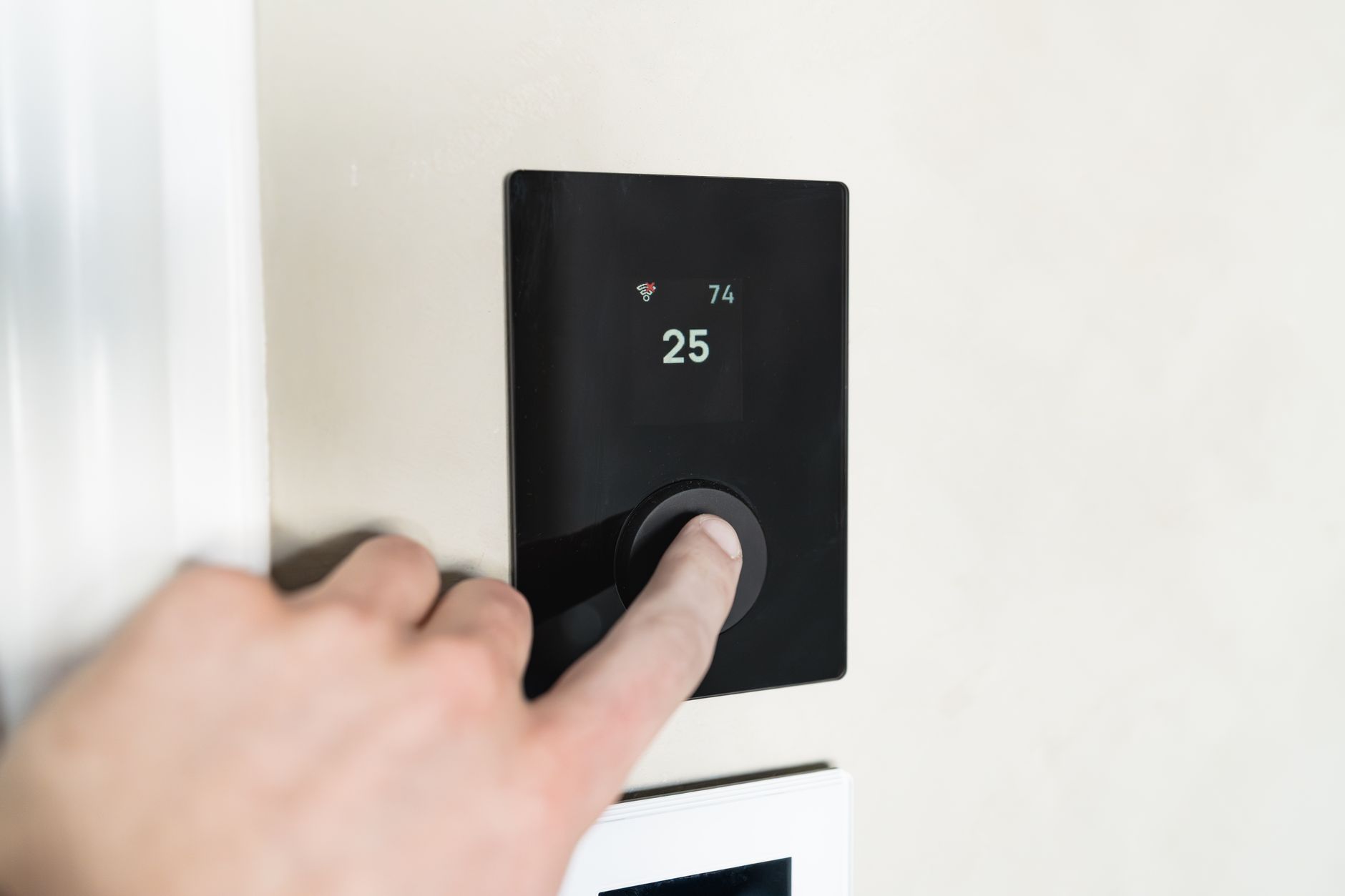
With electric heating, it is the electricity bill that balloons the most in winter. That is why the lease has to state clearly who pays it and based on which meter. If electric heating in a rented apartment runs on heaters that belong to the unit, the landlord is responsible for a working installation, and the tenant for fittings and minor repairs. Unless the lease says otherwise, of course.
Electric heating and renting an apartment: who is responsible for what?
Under the Act on the Protection of Tenants’ Rights, the landlord ensures that the existing installations and equipment that give the tenant access to heat and electricity work properly (Art. 6a(1)). There is one catch. When renting a unit outside the public housing stock, the parties can arrange these obligations their own way (Art. 6f). So in private rentals, the lease agreement comes first. November is the start of the heating season, so in my opinion it is a good moment to take the lease out of the drawer and read it again. Before the first winter bill arrives, not after.
Two situations: the apartment’s heaters and the tenant’s fan heater
Whose heaters are they? The split of responsibility and costs depends on this question. Permanently installed electric heaters or a storage heater are part of the unit’s equipment, so their condition and working order go into the handover report. A portable heater or a fan heater in a rented apartment is the tenant’s own equipment. The catch is that the electricity it uses still comes from the unit’s meter. One more thing: when a tenant tops up the heat with a fan heater, it is usually a sign that something is wrong with the heating. And if the installation is at fault, the matter lands with the landlord, just like any heating failure in a rental.
Who pays the electricity bill in winter, and how should the lease say it?
Whoever the lease names pays. For this to work, the clause must set out the billing model and the specific meter. In practice, two solutions work well:
- the tenant signs their own electricity contract for the apartment directly with the supplier,
- the landlord remains the party to the contract and re-invoices the cost based on meter readings.
And a flat fee? With electric heating, that is asking for trouble on the landlord’s side, because nobody can predict winter consumption (you can see this right away when you compare the different models for utility billing in a lease). I also recommend looking into a two-zone tariff. Many suppliers offer cheaper energy at certain hours, and it makes sense especially with a storage heater.
What does the landlord repair, and what does the tenant repair?
The Act splits repairs by type of installation. In a private rental, the lease can change this split.
| Item | Who repairs it | Provision |
|---|---|---|
| Internal electrical installation (excluding fittings) | Landlord | Art. 6a(3)(3)(a) |
| Central heating installation, including radiators | Landlord | Art. 6a(3)(3)(a) |
| Fittings and protective devices of the electrical installation (excluding replacement of wiring) | Tenant | Art. 6b(2)(5) |
| Coal stoves and storage heaters, including replacement of worn parts | Tenant | Art. 6b(2)(6) |
| The tenant’s portable heater or fan heater | Tenant | tenant’s equipment |
| Improvements, e.g. a new socket or a permanently installed heater | With the landlord’s consent and under a written agreement on settlement | Art. 6d |
Remember Art. 6f: in a private rental, whatever you write into the lease takes precedence over this table.
Safety and inspection of the electrical installation in the apartment
The periodic building inspection also covers the electrical installation. And in winter, when heaters run non-stop, its condition really matters. The consolidated Construction Law (Art. 62(1)(2)) requires the owner or manager to have the building inspected at least once every 5 years, including testing of connections, fittings, protective devices, shock protection and insulation resistance. In a block of flats, the building manager orders it; in a single-family house, the owner does. We wrote more about this in our piece on inspections in a rental apartment.
It is a good idea to give the tenant a few simple rules:
- do not plug several heaters into one power strip,
- do not cover a heater with clothes or dry laundry on it,
- report tripping circuit breakers right away.
Breakers tripping again and again? That is no longer a coincidence but a signal that a licensed electrician should look at the installation.
Can a landlord ban the tenant from using an electric heater?
Yes. The lease can restrict the use of additional heating devices. But such a ban only makes sense if the apartment can be heated normally. Since the landlord is responsible for the proper working of the installation that provides heat, a fan heater ban in a cold unit is easy to challenge. It is wiser to include rules for safe use, information about the installation’s capacity and a duty to report tripping breakers. On the other hand, installing a heater permanently or adding a new socket is an improvement, and that requires consent and a written agreement on settlement. In borderline cases, it is better to show the clause to a lawyer.
Meter reading at the apartment handover
Without the meter reading recorded when the tenant moves in and out, there is no fair way to settle electricity. The Act requires the parties to draw up a report on the condition of installations and equipment before the unit is handed over (Art. 6c), so add the reading to it as well. Ideally with a photo.
- Write down the meter number and reading.
- Describe the heaters and the storage heater.
- Note the condition of sockets and protective devices.
- Both of you sign it.
- When the unit is returned, repeat the reading the same way.
You can keep the report with the meter reading and the lease in the Tenanto document library, so you have them at hand when settling up.
Electric heating in a rented apartment does not have to end in an argument. All it takes is a lease that names who pays for electricity, which meter counts and how repairs are split. Have doubts about the installation? Call a licensed electrician. And if there is a dispute, consult a lawyer.
Frequently asked questions
A fan heater draws power from the unit’s meter, so the party named in the lease pays, usually the tenant. With a flat fee for utilities, the extra cost falls on the landlord.
Under Art. 6b(2)(6), repair and maintenance of a storage heater, including replacement of worn parts, is the tenant’s responsibility. In a private rental, however, the lease can shift this duty to the landlord (Art. 6f).
A new socket is an improvement, so it requires the landlord’s consent and a written agreement on settlement (Art. 6d). The work itself should be done by a licensed electrician, because with electric heating in a rented apartment the installation runs under heavy load in winter.

