
Mold in a Rental Apartment: Who’s Responsible and What to Do
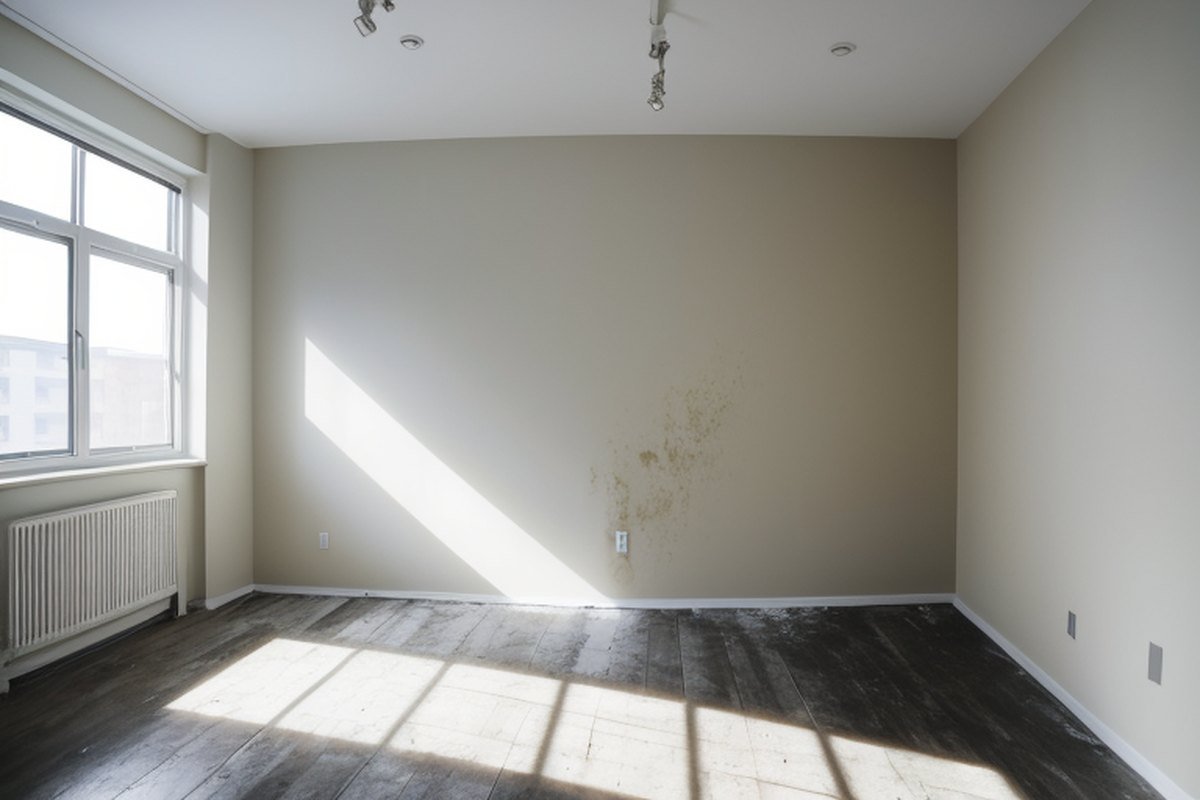
Responsibility for mold in a rental apartment lies with whichever side caused it. Simple? On paper, yes. A defect in the building or its installations is the landlord’s problem, while the way the apartment is used is the tenant’s. In practice it goes something like this: it’s January, the tenant sends photos of black patches in the bedroom corner and asks when the repair crew is coming. The landlord looks at the photos and thinks nobody ever opens a window in there. And round and round it goes. Instead of settling the dispute right away, first work out where the damp is coming from. Only then can you have a sensible conversation about who pays.
Who is responsible for mold in a rental apartment under the Polish Civil Code?
The landlord must keep the apartment fit for the agreed use. The tenant covers minor costs that come with normal use. The first duty comes from Art. 662 § 1 (you’ll find the full wording in the consolidated text of the Civil Code). The second is set out in Art. 662 § 2 and Art. 681, which list the minor repairs the tenant pays for, such as redecorating walls or floors.
Then there’s Art. 682. If defects in the apartment threaten health, the tenant can terminate the lease without notice, even if they knew about the defects when signing the agreement. That’s a powerful tool. For defects that make the apartment less fit for use, Art. 664 in turn gives the tenant the right to demand a rent reduction. Does your situation fall under these provisions? In my view there’s no point guessing here, especially when the two sides are already at each other’s throats. Better to sit down with a lawyer.
Mold on the wall: tenant or landlord? Causes and who is responsible
What matters is the source of the damp, not where the patches showed up. The same corner can get damp because of a blocked ventilation duct. Or because of a wardrobe pushed right up against a cold wall. Same result, completely different culprit. The table below is useful for the first conversation, so you at least have somewhere to start.
| Cause | Usually responsible | Who determines the cause |
|---|---|---|
| Blocked or faulty ventilation | Landlord | Chimney sweep |
| Leak from the roof or risers | Landlord or housing community | Building manager |
| Leaky windows and doors, thermal bridges | Landlord | Building specialist |
| No airing, covered vents, drying laundry without airing, furniture against a cold wall | Tenant | Joint inspection, a specialist if in doubt |
| Flooding from a neighbor | Neighbor or their insurer | Building manager |
One caveat: this is a starting point, not a verdict. Causes tend to overlap. Weak draft in the duct plus a covered vent? A classic. In that case the costs often simply have to be split.
How to find the cause of damp in a rental apartment step by step
First an inspection and a specialist’s opinion, then the mold removal crew. Not the other way round. Painting over the patches before a diagnosis covers up the evidence, and the problem will come back anyway (usually at the worst possible moment).
- Take the report in writing, with photos and a date.
- Arrange an inspection at a time that suits the tenant.
- Check the vents, windows, where the patches are and how the furniture is placed.
- Have a chimney sweep check the ventilation.
- If you suspect a leak from the roof or a riser, report it to the building manager.
- Write down the findings in a report signed by both sides.
A single channel for reporting faults saves a lot of stress. Digging for agreements across text messages, Messenger and WhatsApp is no fun at all. In Tenanto the tenant reports a fault in the tenant portal, and the landlord handles it on the repairs board. You keep a history of reports and agreements you can go back to.
Airing and ventilation in a rental apartment: what each side can do
The landlord provides working ventilation, and the tenant uses it so that damp doesn’t linger in the apartment. On the landlord’s side: clear ducts, tight and working windows, and a quick response to reports. This is where regular checks of the apartment’s installations really help. They catch a ventilation problem before the first patch appears on the wall.
And the tenant? Regular airing, keeping vents uncovered, furniture moved away from external walls, laundry dried with a window open. Nothing groundbreaking. But instead of telling them this in an accusing tone, I recommend giving them these rules in writing, ideally together with the keys. A matter-of-fact instruction rarely offends anyone. And if a dispute does come up, you have proof the tenant knew what was expected of them.
Mold and the security deposit: when you can deduct costs
You deduct from the deposit only when you have documented that the mold was the tenant’s fault. That’s it. The move-in/move-out report with photos of the walls, drawn up when the apartment is handed over and when it is returned, does most of the work here. It shows whether the corners were clean at the start and what changed by the end of the lease.
Without evidence of the cause, a deposit dispute is really just a tug of war. The landlord can’t prove the tenant was at fault, and the tenant can’t prove a building defect. Your word against theirs. If in doubt, talk the case over with a lawyer before anyone holds back money or starts demanding it.
What to put in the lease and the handover report to avoid a dispute
The lease and the report are your evidence if something goes wrong. That’s why they should describe the condition of the walls and ventilation and how faults are reported. Specifically:
- the condition of the walls and corners, documented with photos,
- the condition of the vents and windows,
- how and when faults should be reported,
- rules for giving access to the apartment for inspections,
- rules of use, including airing and keeping vents uncovered.
Keep reports, annexes and specialist opinions in one place. For example, in the document categories of a rental management system, where you can find them easily even years later.
Mold in a rental apartment is first a question about the cause. Costs come later. A quick report, a joint inspection and a specialist’s opinion save both sides an expensive and exhausting dispute.
Frequently asked questions
Yes, if defects in the apartment threaten health. Art. 682 of the Civil Code then allows the tenant to terminate the lease without notice, even if they knew about the defects when signing the agreement. Whether a specific defect actually threatens health depends on the situation.
Whoever caused it. A defect in the building or its installations is on the landlord, improper use of the apartment is on the tenant. A specialist determines the cause, e.g. a chimney sweep for ventilation or the building manager for leaks.
They should respond promptly and arrange an inspection. But removing the patches without removing the cause achieves nothing, the mold will come back. First the source of the damp, then the repair.

