
11 rental management tasks you can handle in one place
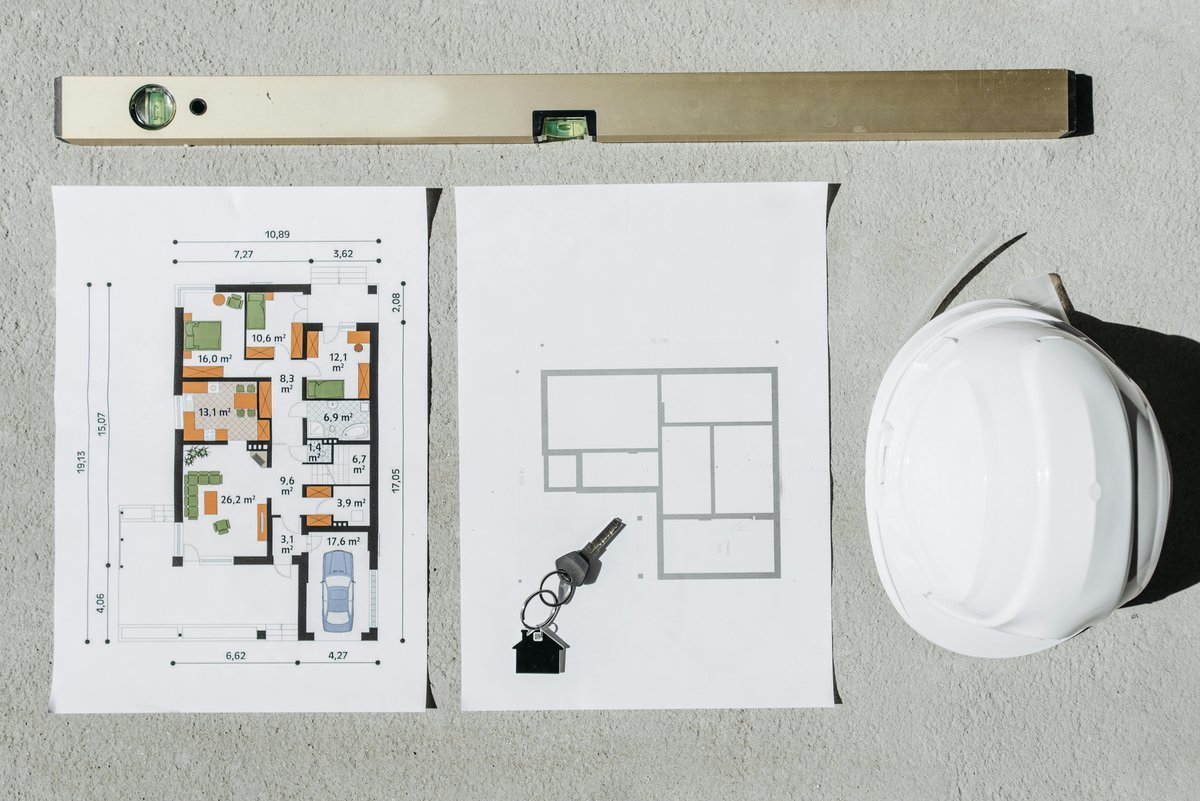
At first it seems you can handle everything in Excel and over email. Well, no. The owner of a few units can burn a lot of time every month on paperwork. Invoices, meter readings, agreements, payments - it all sprawls across a thousand places. A binder here, a spreadsheet there, an email inbox somewhere else. Total chaos. Digital rental management platforms pull it all into one place and eliminate the constant jumping between tools.
Preparing tenancy agreements and addenda
Writing an agreement from scratch? It takes a good while. And then the revisions on top. It is best to have your own proven template for each type - occasional, traditional, institutional - and fill it in with the data you already have in the tenant and property records. The finished, signed file goes into the document library for the unit. An addendum? Same thing - it sits next to the agreement, not in a separate folder.
Tip: Before generating a document, always verify the type of tenancy agreement. The occasional lease requires additional attachments, including the tenant’s declaration of submission to enforcement in the form of a notarial deed - add them to the unit’s documents together with the agreement.
Utility billing and operating charges
Billing utilities per tenant is an administrative nightmare. Seriously. Electricity, gas and water readings - you have to do them regularly, and with tenant turnover in the middle of a billing period the fun begins. First choose the model: a flat rate or billing by actual consumption. For each unit separately - because the same approach doesn’t work everywhere. The calculation itself is usually done in a spreadsheet, while the rental system is handy for keeping providers’ invoices and utility information with the building. Splitting utility costs gets even trickier when you let out individual rooms, so it pays to decide early between one lease or separate leases for your tenants.
When renting by the room, settling utilities can be problematic. Since tenants may change fairly quickly, it’s best to ask the providers to shorten the billing periods.
With room rentals it gets even worse. Shortening the billing periods for water or heating? Often impossible. You’re left with a flat-rate or monthly meter readings. But manual calculations across five rooms with turnover every three months? No, thank you. A simple spreadsheet with a split formula and the invoices gathered in one place at least save you hunting for bills.
Issuing invoices and KSeF
Invoicing for rent and utilities is a lot of repetitive work. You issue invoices in your invoicing software or leave it to your accounting office, while the rental system reminds the tenant about rent by email and keeps copies of invoices with the unit. If you rent as a business, sooner or later you’ll run into KSeF (Poland’s National e-Invoicing System), which covers more and more taxpayers. And here’s the trap - someone settling privately under the flat-rate scheme has different requirements than someone with a business and VAT. Ask your accountant which scenario applies to you, and ask your invoicing software provider whether it sends invoices to KSeF. The free KSeF Taxpayer Application can also be used to issue e-invoices.
Handover protocols and photographic documentation
A digital handover protocol is a description of the property’s condition room by room - furnishings, walls, floors, installations. Plus photos. Because without photos it’s one person’s word against another’s when the flat is handed back. Every photo gets a date and an assignment to a specific room. Documentation like this comes in handy more often than you’d think.
It’s best for the parties to take photographic documentation of the property, so that at the moment it’s handed back there’s no doubt as to whether any damage and wear is down to the tenant or was present beforehand.
The tenant sees the protocol uploaded to the system in their own panel - no need to arrange a meeting just to hand over a copy. When the tenancy ends, you compare the current condition with the starting documentation and immediately see what goes beyond normal wear and tear. Simple.
Remote document signing
An in-person meeting just to sign an addendum? In 2026? All right, sometimes there’s no other way, but in most cases - there is. The tenant receives the document by email, reads it, signs it. Without leaving home. In Poland a qualified electronic signature has legal force equal to a handwritten one - this is no grey area. The trusted signature also works in civil-law transactions. The signature is made in an electronic signature tool or with a trusted profile, and you add the signed file to the unit’s documents.
Tip: Before signing an agreement remotely, verify the tenant’s identity via a video call and presentation of an identity document. Compare the details on the ID card with the information entered in the system - this minimises the risk of fraud without the need for a physical meeting.
Payment monitoring and debt collection on arrears
Automatic email reminders a few days before the due date help reduce late payments. Each tenant’s rent, deposit and deadlines are in a single view, so you know what to look for in your bank statement. And when the arrears cross a set threshold? You send a payment demand with the correct amount, repayment deadline and legal basis - ideally from your own template, so every tenant gets the same. You react quickly and identically toward every tenant, because the reminders keep watch over the deadlines for you.
Managing the rental calendar and agreement deadlines
The agreement ends in a month. Are you extending it? Looking for someone new? The system reminds you in advance - you have time to decide. Planning turnover and vacancies is directly a matter of how much you earn on the investment. Because between one tenant and the next you have to sort out the painting, the inspection, maybe a new washing machine - and that calls for a concrete schedule. The same goes for repairs during the tenancy, since handling tenant maintenance requests in one channel keeps every fault and follow-up in a single thread instead of scattered phone calls.
- Preparing tenancy agreements and addenda
- Utility billing and operating charges
- Issuing invoices and KSeF
- Creating handover protocols
- Remote document signing
- Payment monitoring and debt collection
- Managing the rental calendar
- Photographic documentation of properties
- Handling multiple agreement types
- Communicating with tenants
- Archiving and operation history
All these tasks have their deadlines. And it’s easy to miss something when you run it by hand in a Google calendar. The gas installation inspection, replacing the smoke detector, the property insurance - add them as tasks on the repairs board, and the system reminds you of the agreement end date on its own. You don’t have to remember.
One platform instead of binders and scattered files
Eleven tasks, one place for their records. Units, tenants, agreements with deadlines, documents, repairs and rent reminders sit in one system, while e-invoices and utility billing stay in your invoicing software and spreadsheet, with copies kept with the unit. The time spent on administration drops because you are not hopping between a folder of scans, an email inbox and a calendar. Pricing charged per unit on the Indywidualny plan: the first unit costs 0 zł and each additional one 15 zł net a month. And importantly - when you buy more units, you don’t have to change tools or hire someone for the paperwork. The platform grows with you.

