
Renting an Apartment with Pets: How to Put It in the Lease
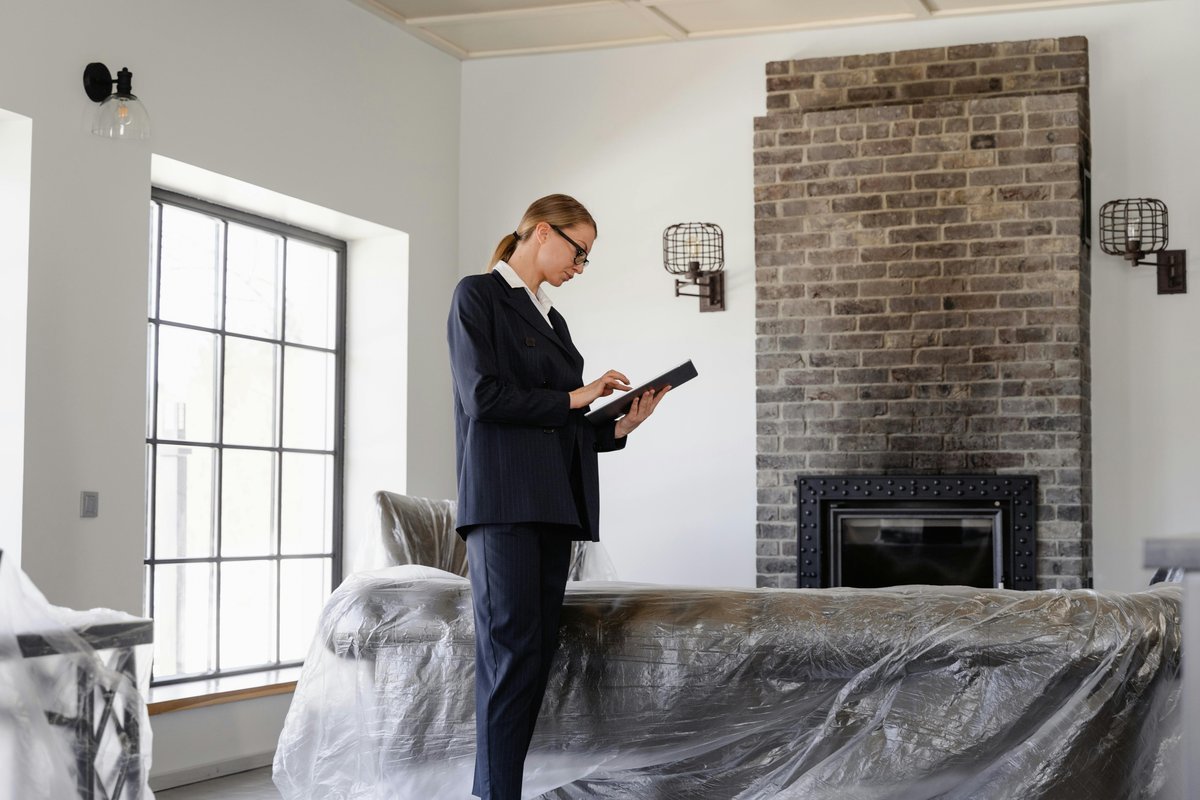
You can rent out an apartment to tenants with pets safely. The condition? The lease states clearly which animal will live in the apartment, on what terms and who pays for damage, and the handover report records the condition of the apartment before the tenant carries in the first box. I’m writing this guide for landlords who get calls from people with a dog or a cat and don’t want to turn them away right from the start. You’ll find sample lease clauses here and a list of things worth recording in the handover report.
Can a landlord ban pets in the apartment?
Yes. The law doesn’t ban animals in rental apartments, so the lease decides everything. A no-pets clause in the lease is allowed, and so is consent with conditions. And the worst option? No clause at all. In practice, that usually ends in an argument over “what the author meant”. Either way, the tenant is responsible for the apartment and, under the Civil Code lease provisions, must return it in an undeteriorated condition, apart from normal wear and tear.
Damage an animal causes to third parties (neighbours, common areas of the building) is the responsibility of whoever keeps it or uses it. Oh, and before signing, check the rules of the housing community or cooperative. They sometimes include rules about animals that few people remember.
How to put renting with pets into the lease
A proper pet clause in a lease agreement names the specific animal, the rules for keeping it and the tenant’s liability for damage. A bare “pets allowed” is an invitation for more four-legged tenants nobody planned for. After all, if the consent is general, why not a second cat? Or a third? The clause should cover:
- the species, breed or size, name and number of animals,
- a ban on bringing in more without the landlord’s written consent,
- the duty to keep the apartment clean and hygienic,
- liability for damage in the apartment and to neighbours,
- optionally, a ban on leaving the animal alone for long periods.
A few sample wordings. Treat them as a starting point, not a ready template to copy: “The Landlord consents to one beagle named Fado living in the apartment”, “The Tenant undertakes to repair or cover the cost of damage caused by the animal beyond normal wear and tear of the apartment”, “Bringing in any additional animal requires the Landlord’s written consent”. Agreeing only during the tenancy? Sign an annex. Verbal agreements have a way of being remembered differently by everyone a year later. The same habit of putting every arrangement in writing pays off when renting to a foreign tenant, where precise wording matters even more.
Renting to a dog owner vs. a cat owner: what to watch for
Dogs and cats come with different sets of risks, so it’s better to tailor the lease clauses and the handover report to the species. With a dog, I look mainly at doors, door frames and floors. Plus noise, relations with neighbours, the staircase and the lift. A cat? Upholstery and wallpaper take more hits, you need nets on the windows or balcony, and then there’s the litter box. If it’s neglected, it leaves a smell that’s really hard to get rid of.
Before signing, ask the tenant a few things: how old the animal is, whether it stays home alone (and for how long), and what their previous apartment looked like. The answers pretty much show you right away which clauses need more detail.
What to record in the handover report when a pet will live in the apartment
The handover report is the only proof of what the apartment looked like before the animal arrived. That’s why, for this kind of tenancy, it has to be more detailed than usual. Record:
- floors and skirting boards,
- doors and door frames, especially the lower part of the door leaves,
- walls and wallpaper,
- window sills,
- furniture upholstery and carpets,
- nets and fly screens,
- the balcony or garden fence.
Add dated photos. You can’t do without them. A detailed handover report drawn up in the same layout when the apartment is returned lets you compare both conditions point by point.
Pet damage and the deposit: what you can deduct
You can cover documented pet damage from the deposit. Normal wear and tear, no. Worn paint on a wall? That’s just everyday life. A chewed door frame? That’s damage. Same with the floor: small scratches count as wear, but a swollen panel or one scratched down to the core is a different story.
A dispute over a deduction is usually won by the landlord who has a move-in handover report, photos and a clear lease clause. Nothing groundbreaking, but that’s exactly it: many landlords don’t have them. The rules on when to keep the deposit also apply to pet damage. If the tenant disputes the amount deducted or the damage exceeds the deposit, talk to a lawyer.
How to keep track of agreements during the tenancy
A lease only works when annexes, reports and reported faults are kept in one place and you can go back to them when the apartment is handed back. Confirm every change (a new pet, consent for a balcony net) with an annex. In Tenanto you can keep annexes attached to each property together with the reports, and the tenant reports faults through their own panel. And a quick response really makes a difference: less damage, simpler settlement at the end of the lease.
A pet in the apartment doesn’t have to mean worrying about the deposit or the condition of the apartment. As long as the documents are specific. Three things: the animal described in the lease, a detailed handover report with photos, and every change in writing. That’s it. You’ll find more tips in the tips for apartment landlords section.
Frequently asked questions
No clause is not a ban, so the tenant may assume the pet is allowed. That’s exactly why it’s better to settle it clearly before anyone moves in. If a dispute is already underway, assess the situation with a lawyer.
The parties set the deposit amount in the lease, so a pet can be one of the arguments in negotiations. Not sure what amount is allowed? Ask a lawyer before you put it in the lease.
First, document the situation. Then send the tenant a written demand to stop the breach. Consider terminating the lease for this reason only after consulting a lawyer, because a single formal mistake can seriously weaken your position.

