
Selling a rented apartment: what happens to the lease
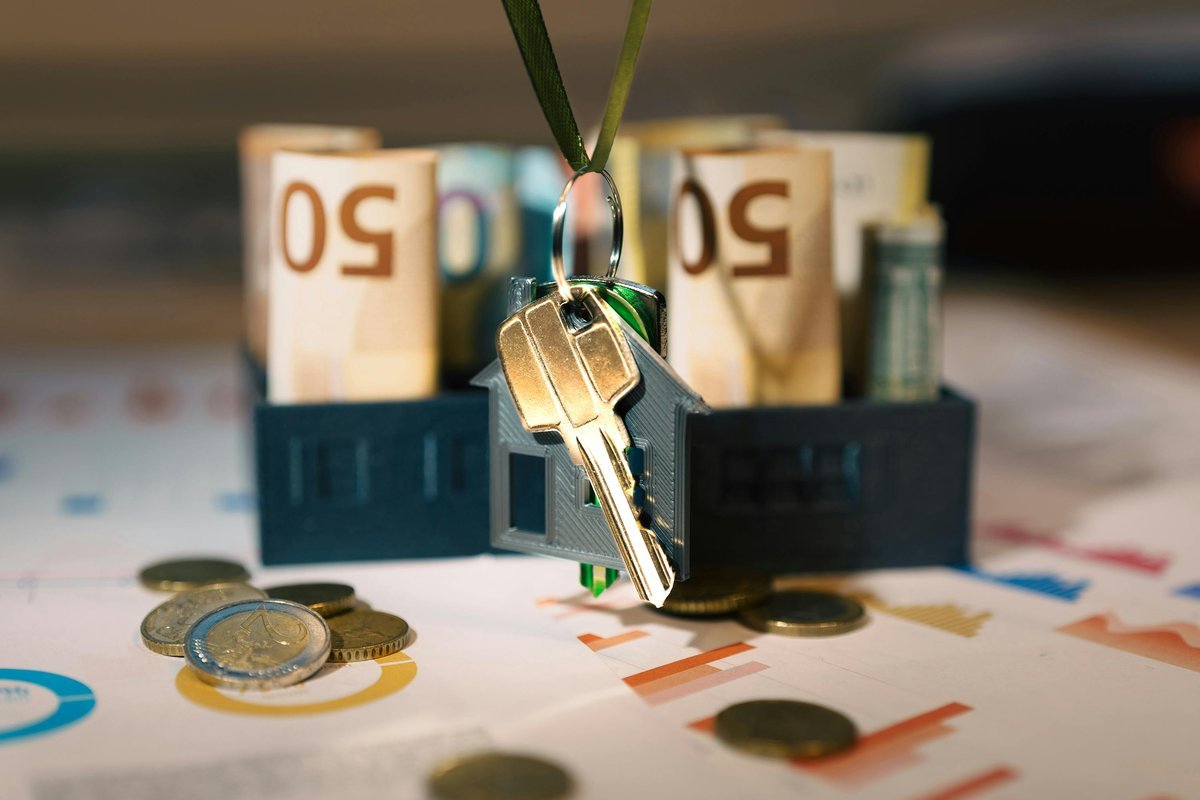
Selling an apartment that someone lives in? When you sell a rented apartment, the lease does not end. The buyer takes it over and from that moment becomes the landlord. So you don’t have to terminate the lease before the sale. Below I explain when the buyer can terminate the lease, what to do with the deposit, which documents to hand over and what to tell both parties.
Does selling a rented apartment end the lease?
No. The lease continues, and the buyer simply steps into the shoes of the current landlord. This follows from Article 678 of the Polish Civil Code, and it’s worth checking the current Civil Code text. In practice, the new owner takes over all of the landlord’s rights and obligations as a package. The tenant keeps living there on the same terms. The only thing that changes is who receives the transfer: from the moment ownership passes, the rent goes to the buyer.
Do you need the tenant’s consent to sell? No. But let them know early anyway. It’s up to them whether the buyer gets to see the apartment at all and whether the handover goes smoothly.
When can the buyer terminate the lease?
As a rule, the buyer can terminate the lease with the statutory notice periods. There is one exception, and an important one: a fixed-term lease, made in writing, with a certified date, where the apartment has already been handed over to the tenant. In that case the buyer cannot terminate it. A certified date (Polish: data pewna) is a date confirmed officially (for example by a notary’s certification or an office stamp), so nobody can change or challenge it later.
With residential units, the Civil Code isn’t the whole story. The permitted grounds and procedure for termination are also governed by the Tenants’ Rights Protection Act, so the new owner can’t end the lease whenever they feel like it. We cover terminating a lease properly in a separate article. And if the lease has no certified date, or there’s already a dispute over vacating the apartment? In my view there’s no point trying to work it out yourself. Let a lawyer assess the case.
Selling with a tenant or after the lease ends: two options
You can sell the apartment with the tenant in it, or wait until the lease ends and sell it empty. It all depends on who you want as a buyer. An apartment with a tenant is a good offer for an investor, because rent comes in from day one. But there are fewer interested buyers, and every viewing has to be arranged with someone who lives there day to day (and isn’t always keen to tidy up for yet another visit).
An empty apartment reaches a wider audience, including people buying a home for themselves. The cost? A few months without rent and the need to end the lease earlier in line with the agreement. Do you have an occasional lease agreement? Remember that the buyer takes that over too. It’s easier to plan the timing of a sale when Tenanto reminds you about leases that are about to expire, and unit statuses show which apartment will soon be vacant.
The deposit when selling an apartment: who returns it to the tenant?
After the sale, the new owner returns the deposit to the tenant when the lease ends. That’s why the seller and the buyer need to settle it between themselves. Usually the seller transfers the deposit amount to the buyer, or the parties factor it into the price. Either way works, as long as it’s written into the sale agreement.
The tenant also needs to know who to ask for the refund later. The rules for settling a tenant’s deposit stay the same after the sale. Only the person applying them changes. Agree on the exact wording of the clause in the deed with your notary.
Which documents should you give the buyer?
Everything that lets them take over the lease without guesswork. The lease, annexes, handover reports, deposit details. Specifically:
- the lease agreement with all annexes,
- the handover report describing the condition of the apartment,
- for an occasional lease, the tenant’s statement of submission to enforcement and the designated alternative accommodation,
- proof of the deposit payment,
- the tenant’s contact details,
- the history of repairs and inspections.
Putting this together is quick if annexes, handover reports and the building file with its inspection history are in one system, and Tenanto keeps rental documents in one place. One more thing: after the sale, the tenant must receive a notice of the change of owner and the new bank account number for rent payments. Without it, the transfer will go to the wrong place.
What should you tell the buyer and the tenant before the sale?
Tell the buyer right away: the apartment is rented, on these terms, until this date. They take over the lease exactly as it stands. Keeping quiet about the lease? That’s a straight road to a dispute right after the deed is signed. An order that works well in practice:
- Check the type and form of the lease: fixed-term or indefinite, in writing, with a certified date.
- Agree with the tenant how and when buyers will view the apartment.
- Disclose the lease terms and the deposit amount to the buyer.
- Include the settlement of the deposit and the rent for the month of the sale in the sale agreement.
- After the sale, notify the tenant in writing.
Whether the sale goes smoothly comes down to one thing: clear information for the buyer and for the tenant. An unusual lease or a dispute with the tenant is a matter for a notary or a lawyer. You’ll find more practical advice in the section where we’ve collected articles on rental management.
Frequently asked questions
No. The lease passes to the buyer by operation of law, so the tenant’s consent isn’t required. But their cooperation makes viewings and the later handover much easier, so it’s better to talk to them from the start.
No. At most, they can terminate the lease within the limits of the Civil Code and the Tenants’ Rights Protection Act. And with a fixed-term lease made in writing, with a certified date and the apartment already handed over, they can’t even do that. Eviction? Always through the court.
With a standard lease of a privately owned apartment, the lease itself doesn’t give such a right. Unless the parties wrote it in themselves. In an unusual situation, check this with a lawyer before you sign the deed.

