
Flat empty for a month: five reasons visible in the listing
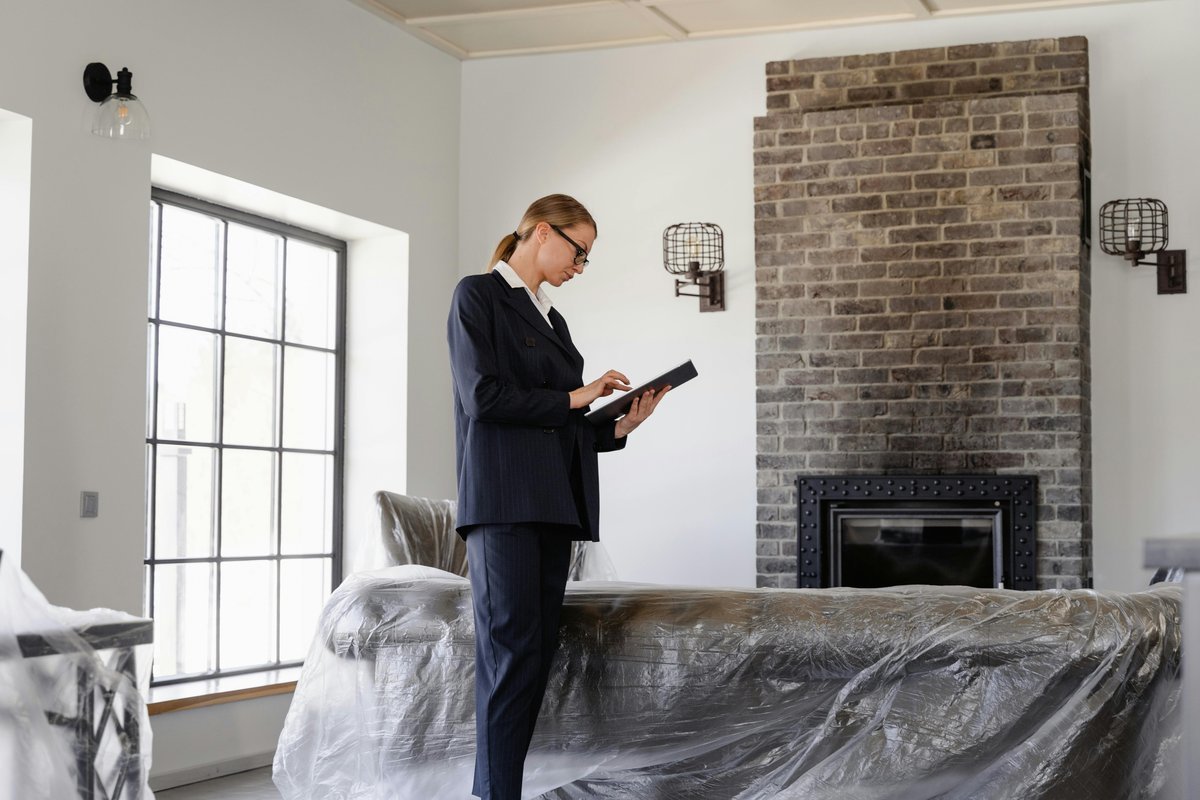
An empty flat is not financially neutral. The building service charge, utility advances, insurance, plus the mortgage instalment - all of it keeps running whether or not anyone lives there. So the owner loses twice. No income comes in, and the fixed costs stay entirely on their side. The reasons behind a long vacancy are usually visible in the listing itself, before anyone even picks up the phone. Below we describe five setups that come back most often. This is a report from practice, not market research, so you will not find statistics here or numbers nobody has measured.
Reason one: photos shot against the light in a flat nobody prepared
Photography is the first filter. A tenant scrolls through the list of offers and rejects most of them before ever opening the description. The mistakes repeat endlessly: a dark interior shot facing the window, a vertical phone frame, the previous tenant’s things on the counter, a single corner shot that shows almost nothing. Missing kitchen and bathroom photos are a category of their own. And no, that is not read as an oversight - it is read as hiding the state of those rooms. Imagination fills in the worst version.
The minimum set of photos every listing should have:
- every room separately, from two opposite corners,
- the kitchen with the counter and appliances visible,
- the whole bathroom, including the shower or bathtub,
- the hallway and built-in wardrobes,
- the view from the window,
- the building entrance and the staircase.
Tip: shoot during the day, with the lights on, after cleaning up and taking the magnets off the fridge.
Reason two: a price set around the mortgage instalment, not the market
The mechanism always looks the same. The owner adds up the instalment, the housing association charge and the utility advances, tacks on a margin, and that is the rate. Except the tenant knows nothing about that calculation. They compare the offer with the buildings next door, and that is it. The phone stays silent, and after two weeks comes a sharp price cut - often deeper than the difference that would have been enough to let the flat in the first place. The arithmetic is merciless: one month without a tenant costs more than a small concession on the rate spread across the whole term of the agreement.
You can check the market level by comparing offers with a similar floor area, finish standard and travel time to the centre. Not by the average for the whole city. It also helps to take a broader look at what is happening on the market , because rates in the same district can drift apart within a few months. The history of previous tenancies helps too - the panel shows what the rent actually was under successive agreements for the same flat, and how long it took to find the next tenant. The pricing decision then rests on your own data, not on a hunch.
Reason three: a description that does not answer the tenant’s questions
“Nice flat in a good location” carries no information at all. None. Such texts usually miss the same set of specifics: the floor and the lift, the heating system along with a rough level of the bills, a parking space, furniture and appliances, a washing machine, an internet connection. And staying silent about the deposit and about what the service charge covers works exactly like a missing bathroom photo. The reader fills in the least favourable version and moves on.
Questions that will come up in the first conversation anyway, so it is better to answer them in the text:
- Which floor, is there a lift?
- How much is the building service charge and what does it cover?
- How is the flat heated and how much does the heating season cost?
- How large is the deposit and when is it returned?
- Which furniture and appliances stay, and what does the owner take away?
- For how long is the agreement signed?
Tip: write the description so that after reading it only one question is left - the viewing date.
Reason four: no clear rules, or a listing that scares people off with its screening
Phrases like “serious offers only” or “no pets, no students, no children” narrow the funnel faster than the author expects. Every exclusion cuts off a slice of the market, and a whole series of them builds a tone that discourages even the people who do meet the criteria. The opposite extreme does similar damage. A listing with no conditions at all brings candidates completely outside the profile to viewings, and the owner gives up evening after evening to conversations with no chance of an agreement.
A short, matter-of-fact list of conditions works better - the planned rental period, the deposit amount, the number of people, pets to be agreed individually. A note like that informs instead of pushing people away. It is worth deciding in advance whether you are going for short-term or long-term rental, because that shapes both the list of conditions and the group you are writing to. Talk through the legal side of rental rules and deposit settlement with a lawyer, especially with occasional (najem okazjonalny) or institutional tenancies, where the formal requirements differ from an ordinary agreement. And the application process itself gains order when candidates land in a single list instead of scattering across text messages and the inboxes of three portals.
Reason five: the listing is live, but the owner does not reply
This reason does not sit in the content, but in the speed of the reaction. And it can be the most expensive one. A reply sent after two days reaches someone who has already viewed three other flats and signed an agreement somewhere else. The culprit is usually not sluggishness but scattered channels: some enquiries come through the portal form, some by phone, the rest by messenger and email. Messages get lost. After a week nobody remembers who viewed the flat, who changed their mind, and who is waiting for a decision.
Tip: keep every contact with interested people in one place, together with each person’s status and viewing date.
In tenanto the owner runs the flat, the agreements, the settlements and the contacts in a single panel, so at any moment you can see what stage a particular candidate is at and who is owed a reply before the day is out. We write about changes in the panel and new features as they happen in the news section.
FAQ
After how many days without enquiries is it worth changing the listing?
If not a single enquiry has come in after the first full week of publication, the problem usually lies with the price or the photos, not with the number of portals. And the order of your moves matters here. First replace the photos and add the missing specifics to the description - that costs nothing and works right away. Only if it is still quiet a few days later should you touch the rate. Leave publishing on extra channels for last, because duplicating weak material across five sites only increases the number of places where the offer gets skipped.
What to fix in the listing before republishing
The five reasons described here come down to two rules. A listing should show the flat as it really is, and answer questions before anyone asks them. A vacancy rarely comes from the market situation. Far more often it comes from the material we prepared ourselves.
Before publishing again, go through a short checklist:
- Photos - every room covered, daylight, a tidy interior.
- Price - compared with offers from the same area and the same standard.
- Description - floor, heating, charges, furnishings, deposit.
- Rules - a few specific conditions instead of a list of exclusions.
- Response time - a reply the same day, from one place.
A well organised rental simply means fewer empty months. The free tenanto package covers one flat with no time limit, so you can run everything in a single panel from the very first listing. Agreements and tax settlements, however, should be confirmed with an accountant or a lawyer - the details depend on the form of the tenancy and the owner’s individual situation.

